
BMW is charting a uniquely diverse path for its next-generation X5 luxury SUV, committing to an unprecedented range of drivetrain options. Alongside conventional gasoline, diesel, and plug-in hybrid variants, the automaker has confirmed a battery-electric model and, most notably, a hydrogen fuel-cell electric vehicle (FCEV) developed with Toyota. This strategic move positions the X5 as a flagship for BMW’s multi-pronged approach to sustainable mobility, offering a solution for nearly every type of customer.
A Glimpse Beneath the Camouflage: Design Evolution
Although the production model, codenamed G65, is not due until 2028, spy shots provide the first official look at the hydrogen-powered X5. The prototype clearly wears the new “Neue Klasse” design language, with vertical kidney grilles reminiscent of classic BMW models hidden under the wrap. Several key design elements stand out, including the absence of conventional door handles, replaced by integrated winglets similar to those on the Mustang Mach-E. In a welcome move for enthusiasts, the signature two-piece split tailgate appears to be retained, a feature recently abandoned on the 5 Series Touring.
The Revolutionary Interior: Embracing the Neue Klasse Philosophy
The interior will undergo a radical transformation, previewed by the latest iX3. Expect a minimalist dashboard dominated by a massive 17.9-inch central touchscreen. The traditional instrument cluster will be replaced by “Panoramic Vision,” a head-up display that projects information across the entire width of the windshield. This shift towards digitalization means the removal of the iconic iDrive rotary knob and most physical buttons, with even climate control adjustments managed via the screen.
A Drivetrain for Every Demand: From ICE to FCEV
BMW’s strategy for the X5 is defined by choice. The lineup will include:
-
Gasoline and Plug-in Hybrids: These will remain the global volume sellers.
-
Diesel: Expected to be offered primarily in European markets.
-
Battery Electric Vehicle (BEV): A fully electric version is confirmed for the first time.
-
Hydrogen Fuel Cell (iX5 Hydrogen): Co-developed with Toyota, this model targets specific regions with developing hydrogen infrastructure.
There are also rumors of a potential range-extended electric variant, echoing the concept behind the beloved i3.
The Hydrogen Challenge: Infrastructure and Market Reality
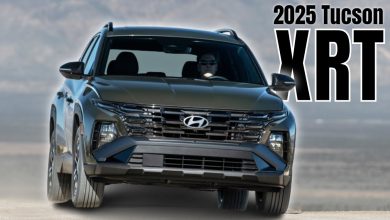
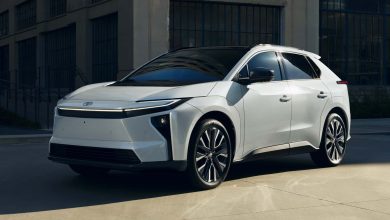
The launch of the iX5 Hydrogen in 2028 faces a significant hurdle: the global hydrogen refueling infrastructure. At the end of 2024, there were only about 1,160 hydrogen stations worldwide. Consequently, BMW is likely to limit sales of the FCEV to select regions where infrastructure exists. This places BMW and Toyota in a niche group of automakers, including Hyundai and Honda, who continue to invest in hydrogen technology despite challenges and the recent withdrawal of competitors like Stellantis.
The next-generation BMW X5 represents a bold bet on a diversified future. By offering everything from traditional combustion engines to a cutting-edge hydrogen fuel cell, BMW aims to cater to a global audience with varying needs and infrastructure access. The iX5 Hydrogen, in particular, symbolizes a long-term commitment to alternative energy, ensuring the X5 remains at the forefront of luxury and innovation for years to come.